Top 10 Challenges of Building a Home on a Difficult Lot
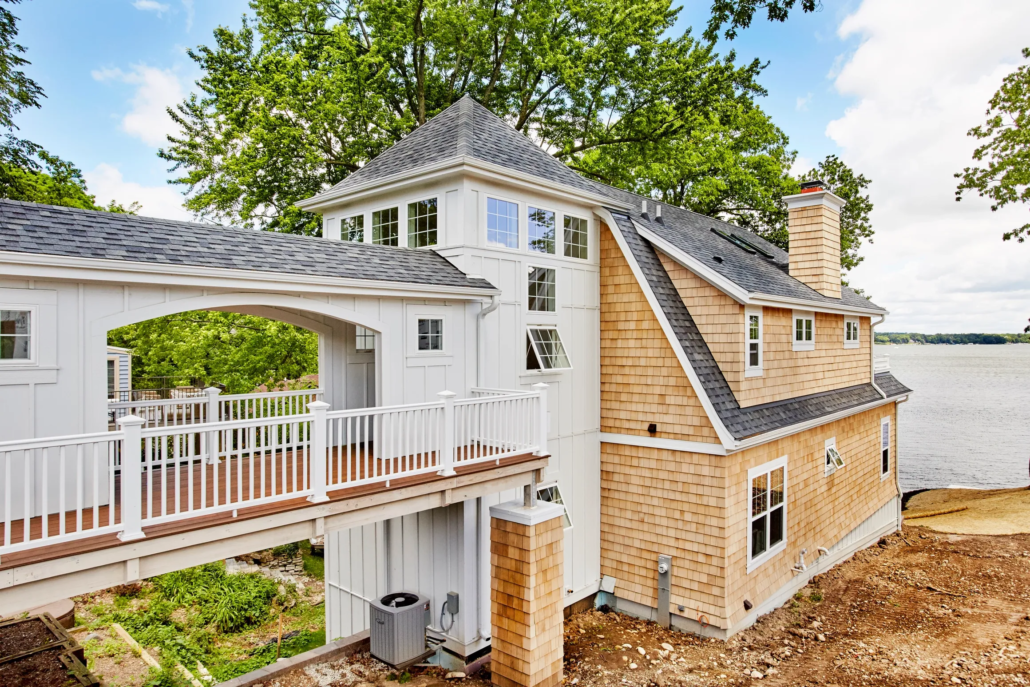
Building a custom home on a difficult lot brings elevated complexity but can deliver stunning aesthetic rewards – such as panoramic views, natural lighting, or unique architecture. With Miller Marriott’s extensive expertise – from our skilled architects to careful site planning and seasoned construction managers – these challenges can become opportunities for innovative design and quality construction.
1. Complex Foundation Engineering
Homes built on steep or uneven lots often need custom foundation systems such as retaining walls, pilings, or deep footings to ensure stability. These solutions tend to raise both the cost and construction time, particularly on slopes with gradients over 20%.
 2. Limited Accessibility
 2. Limited Accessibility
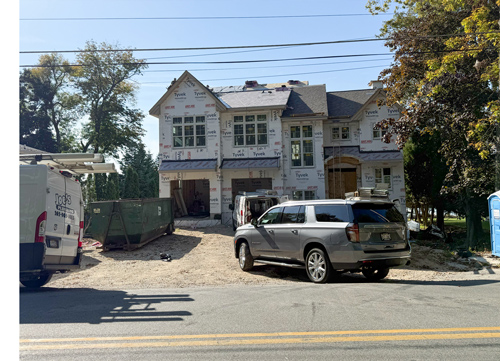
Steep or irregularly shaped lots often do not have direct access for vehicles and construction equipment. Narrow, steep, or short driveways and staging restrictions can slow down construction and raise material transport costs.
3. Design and Aesthetic Limitations
Fitting a standard home design onto a challenging lot is often impossible. Custom architectural plans — considering slope, sunlight, or street alignment — are necessary to balance function and visual appeal.
4. Excavation and Access Issues
 4. Excavation and Access Issues
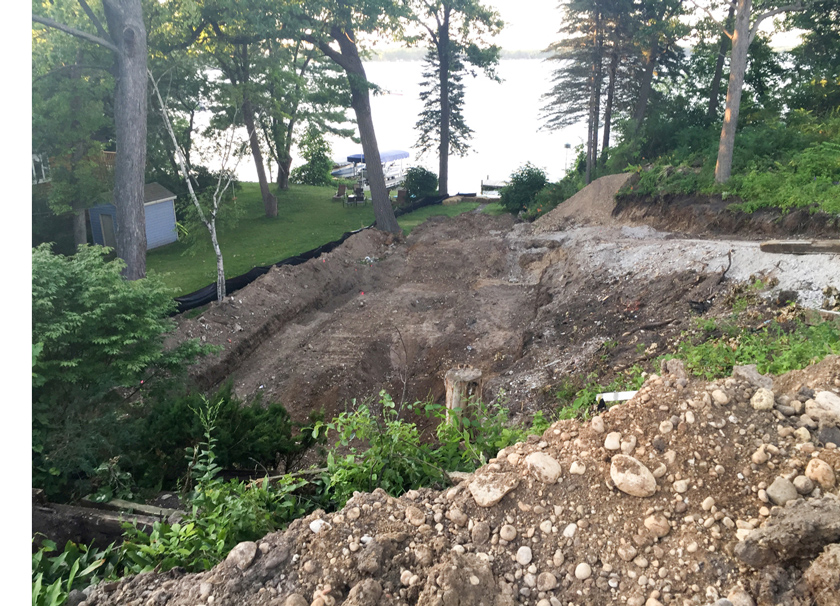
Getting heavy machinery onto a steep or narrow lot can be extremely difficult. Many projects need special excavation equipment which adds to logistical difficulties and costs.
5. Soil Type and Stability
The soil type affects both the safety and expense of the project. Wet clay can expand and lead to foundation cracks, whereas rocky soil might necessitate expensive blasting. Conducting a geotechnical survey is essential before starting any design work.
6. Drainage and Water Runoff and Erosion Control
Effective water management is essential to prevent damage to foundations or erosion. Engineers need to design grading, drainage systems, and waterproof retaining walls that direct rainwater away from the house and nearby properties.
Sloped sites are vulnerable to erosion, particularly during construction. Builders need to implement terracing, planting vegetation, and installing retaining structures to stabilize the soil and safeguard the new home from future runoff damage.
7. Zoning and Setback Restrictions
Irregularly shaped or small lots may be subject to strict zoning, setback, or easement regulations, which can limit building placement. Complying with local ordinances can reduce the usable footprint and complicate design.
8. Septic and Utility Challenges
Homes built far from municipal lines or at extreme elevations might need custom sewage and water solutions. For instance, upslope sites require pumping systems, while downslope locations may need special flow control designs.
9. Increased Costs
The cumulative impact of specialized engineering, design, and site preparation results in building on a challenging lot costing 20–50% more than on flat sites
10. Timelines
Building a home with these challenges adds complexity to construction, resulting in prolonged timelines compared to building on flat, straightforward lots.
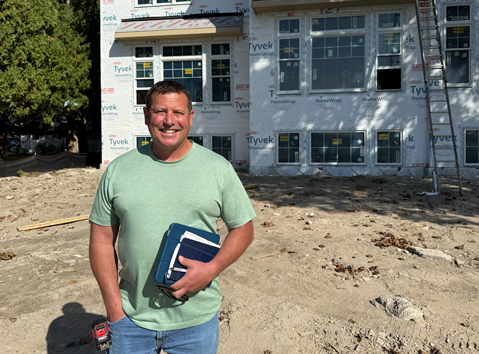
Senior Construction Manager Dave Draeger has the experience and problem-solving skills to take on these challenging lots and produce outstanding homes built to last a lifetime.